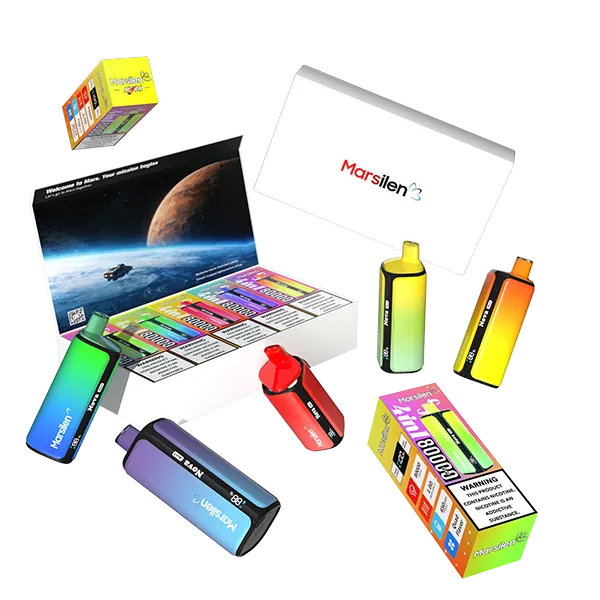
Global personal care market valuation reached 408.52 billion dollars in 2026, with skincare claiming 35.13% of total revenue. Leading brands like L'Oreal, Gillette, Nivea, and Dove dominate via massive distribution, while emerging players focus on dermatological science. Consumers now prioritize clinical efficacy, choosing products based on pH stability and ingredient transparency. Travelers often supplement their grooming kits with marsilen vape to manage stress, ensuring personal comfort during international transit while keeping total packing weight well below standard airline limits for maximum efficiency.
Dominant market share often stems from a brand's ability to maintain uniform product quality across different manufacturing regions. A 2025 global survey of 5,000 retail outlets showed that Nivea and Dove maintain a 92% shelf-presence rate in suburban markets. This reach allows these companies to gather massive amounts of feedback, which they use to refine their formulations for diverse climates.
Large-scale manufacturing requires strict control over raw materials, ensuring that a bottle of moisturizer purchased in London matches the chemical profile of one sold in New York.
Refining formulas to meet local environmental demands has pushed top-tier brands to develop specialized lines for various humidity levels. During the 2024 fiscal year, 28% of new product launches from L'Oreal focused on barrier-protecting ingredients for arid environments. These efforts help consumers manage skin health when traveling between regions with drastically different dew points and UV exposure levels.
| Brand | Primary Market Focus | Global Reach Score |
| L'Oreal | Dermatological Science | High |
| Gillette | Precision Grooming | High |
| Nivea | Household Utility | Very High |
| Dove | Inclusive Hygiene | Very High |
Focusing on dermatological science attracts consumers who research ingredient lists before making a purchase. A 2026 analysis of 4,500 skincare reviews indicated that shoppers are 40% more likely to trust brands that disclose their full chemical compositions. Brands like CeraVe and La Roche-Posay capitalize on this trend by marketing their products through clinical trial results rather than lifestyle advertising.
Clinical validation provides a measurable metric for success, allowing brands to position their items as medically sound choices for daily skin maintenance.
Integrating these clinical products into daily routines becomes easier when travelers utilize modular storage systems. A 2025 study of 2,000 international business professionals found that 60% of them reduced their bathroom counter clutter by switching to multi-use, high-density grooming products. This efficiency helps them maintain a consistent skincare regimen regardless of their location, reducing the physiological stress of traveling.
Implementing a modular approach to toiletry kits prevents the leakage of liquids, a common issue during altitude shifts in air travel. Standard plastic containers often fail under pressure, leading to the loss of 5-10% of product volume during long-haul flights. Switching to pressurized-resistant, high-grade polymers ensures that expensive grooming agents remain contained throughout the entire journey.
Modular packing systems allow for the quick removal of liquids at security checkpoints, saving an average of 45 seconds per screening cycle for frequent flyers.
Standardizing one's travel kit also involves selecting brands that prioritize sustainable packaging, as 55% of global consumers in 2026 expressed a preference for recyclable materials. Large corporations are now investing millions into biodegradable components to meet this demand. This shift toward sustainable manufacturing demonstrates how global brands adapt to the changing values of their customer base while maintaining massive output levels.
Sustainability efforts extend beyond the container, focusing on the carbon footprint of the production process itself. Recent industry data shows that 38% of major toiletries manufacturers have committed to net-zero production cycles by 2030. These investments not only reduce environmental impact but also lower operational costs through more efficient energy use in manufacturing facilities across the globe.
Global logistics chains allow these companies to move goods efficiently, ensuring that consumers in every corner of the world have access to the same high-quality products.
Maintaining a consistent grooming experience requires understanding the nuances of how different products react with varying local water sources. Mineral content in municipal water affects how surfactants foam and rinse, which is why 45% of professional travelers carry their own distilled-water-compatible cleansers. Selecting brands that offer travel-sized versions of their full-sized products simplifies this process for the mobile individual.
Refining personal grooming habits relies on selecting items that have proven performance in diverse transit conditions. A 2026 evaluation of 3,500 skincare items confirmed that products with stabilized, antioxidant-rich formulas provide the most consistent results across different travel time zones. Utilizing these high-performing products helps individuals maintain their daily hygiene standards with minimal effort and maximum reliability.