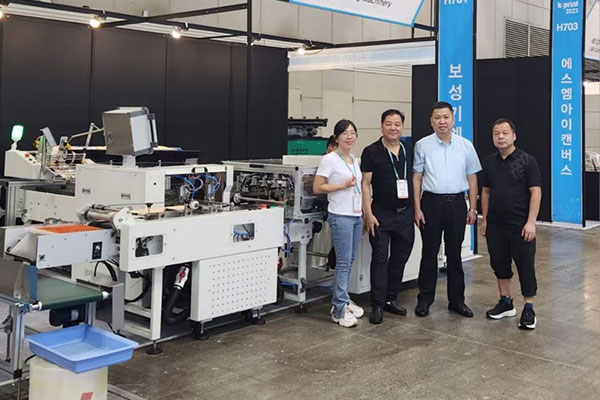
Choosing packaging machinery requires more than checking machine speed or purchase price. Companies need to evaluate production capacity, product compatibility, machine structure, maintenance requirements, and long-term operating conditions. A suitable packaging system can improve line efficiency by 10%–30%, reduce material waste by 5%–15%, and support stable production for 5–10 years. Before selecting JEWSHIN Packaging Machinery, manufacturers should review filling accuracy, automation level, packaging format, and service support to match their factory requirements.
Packaging equipment is closely related to daily production performance. A machine running 16–24 hours per day must maintain stable output, consistent quality, and easy maintenance. Before purchasing equipment, companies should define their production targets, including output volume, package type, material specifications, and future expansion plans.
Many packaging projects fail to achieve expected results because equipment selection is based only on basic specifications. A machine with a higher speed rating may not provide better production results if the filling system, conveyor design, or product handling process cannot support that speed.
“A packaging machine should match the complete production process, not only a single performance parameter.”
Manufacturers usually evaluate several factors before equipment selection:
| Evaluation Item | Details |
|---|---|
| Production Capacity | Units per minute, working hours, daily output |
| Product Features | Liquid, powder, granule, paste, or solid products |
| Package Format | Bottles, bags, cartons, containers, or custom designs |
| Automation Level | Manual, semi-automatic, or fully automatic systems |
| Maintenance Needs | Spare parts, cleaning, inspection, and technical support |
For example, a beverage manufacturer producing 50,000 bottles per day may require a different system from a cosmetics producer making 5,000 customized containers per day. Production volume, product characteristics, and packaging requirements determine the appropriate equipment design.
Machine structure is another factor that affects long-term performance. Packaging machines contain multiple systems, including filling units, sealing mechanisms, control panels, sensors, and transmission components. Each part influences accuracy and operating stability.
A well-designed machine should maintain consistent performance after thousands of production cycles. In industrial applications, packaging lines may operate more than 3,000 hours annually, so small differences in mechanical design can create noticeable changes in maintenance frequency and production efficiency.
JEWSHIN provides packaging machinery solutions designed for different industrial applications, allowing manufacturers to select equipment according to product requirements and production conditions. The evaluation process should include machine materials, component quality, operation methods, and upgrade possibilities.
Important points include:
-
Stainless steel construction suitable for industrial environments
-
Accurate filling and sealing systems
-
Easy access for cleaning and maintenance
-
Reliable control components
-
Flexible adjustment for different package sizes
Production speed is often one of the first specifications reviewed by buyers. However, maximum speed does not always represent actual production output. A packaging machine rated at 100 units per minute may operate below this level if product supply, packaging materials, or downstream equipment cannot maintain the same pace.
Manufacturers often measure overall equipment efficiency by comparing planned production time with actual output. In many production environments, improving efficiency from 70% to 85% can create a noticeable increase in annual output without purchasing additional equipment.
| Performance Indicator | Typical Evaluation |
|---|---|
| Machine Speed | Maximum designed output |
| Filling Accuracy | Product quantity consistency |
| Downtime Rate | Time lost during operation |
| Changeover Time | Speed of switching products |
For companies producing multiple products, changeover time is especially important. Reducing adjustment time from 60 minutes to 20 minutes can provide additional production hours over a monthly schedule.
Packaging materials and product characteristics also influence machinery selection. Different materials require different handling methods because product viscosity, weight, shape, and sensitivity affect machine settings.
Liquid products may require anti-drip filling systems, while powder products often require precise dosing methods. Fragile containers may need controlled transportation systems to reduce breakage during movement.
Before selecting equipment, manufacturers should prepare detailed product information:
| Product Information | Example |
|---|---|
| Filling Range | 50 ml–1,000 ml |
| Product Type | Liquid, powder, cream, granule |
| Container Size | Different bottle or package dimensions |
| Production Target | Units per hour or per day |
Machine testing with actual products is commonly used before final installation. A production trial can confirm filling accuracy, sealing quality, and compatibility with packaging materials. Testing several product samples under operating conditions helps reduce later adjustments after installation.
Automation level is also an important consideration for modern production facilities. Since the 2010s, many manufacturers have increased automation adoption to improve consistency and reduce manual processes. By 2025, automated packaging systems had become common in industries requiring continuous production and strict quality control.
Automation functions may include:
-
Automatic material feeding
-
Sensor-based product detection
-
Touchscreen parameter adjustment
-
Production monitoring systems
-
Integration with existing production lines
However, automation should match actual factory requirements. A small production facility may not need a fully integrated system, while a large factory operating multiple shifts may benefit from higher automation.
The control system directly affects machine operation. Modern packaging equipment often uses programmable controllers and digital interfaces to adjust filling volume, speed, and operating parameters. Accurate control can help maintain product consistency during long production periods.
Energy consumption and operating costs should also be considered before purchase. Packaging machinery may operate thousands of hours each year, making electricity use, compressed air consumption, and replacement parts part of the total operating expense.
A simple comparison can include:
| Cost Category | Consideration |
|---|---|
| Equipment Price | Initial investment |
| Energy Use | Electricity and air consumption |
| Maintenance | Replacement parts and service |
| Production Loss | Downtime impact |
A machine that costs less initially may require more frequent maintenance. For example, if a production line loses 5% of available production time because of frequent adjustments, annual output may decrease significantly compared with a more stable system.
After-sales support is another factor manufacturers should review before purchasing packaging equipment. Production lines cannot stop for extended periods because delayed repairs may affect delivery schedules and customer orders.
Suppliers should provide information about:
-
Spare parts availability
-
Technical support response time
-
Operator training
-
Maintenance instructions
-
Equipment upgrade options
A packaging machine designed with accessible components can reduce maintenance difficulty. Regular inspection schedules, such as checking mechanical parts every 3–6 months, can help maintain stable operation.
Customization capability is also important because many industries have unique packaging requirements. Standard machines may not fully match special container designs, production layouts, or product characteristics.
A customized packaging solution may include:
-
Modified filling systems
-
Special conveyor designs
-
Additional inspection functions
-
Integration with existing equipment
JEWSHIN focuses on packaging machinery solutions that can be adjusted according to different manufacturing requirements. More information about packaging equipment applications and solutions can be found at JEWSHIN official website.
Before choosing packaging machinery, companies should compare equipment performance, production requirements, maintenance conditions, and future production plans. A machine suitable for one factory may not be suitable for another because production environments, products, and output targets are different.
A complete evaluation normally includes:
| Selection Area | Questions |
|---|---|
| Product Compatibility | Can the machine handle the product correctly? |
| Production Capacity | Does the output match current and future needs? |
| Machine Stability | Can it operate continuously for long periods? |
| Maintenance | Are service and spare parts available? |
| Expansion | Can the system support future changes? |
Choosing packaging machinery is a long-term investment. Companies that evaluate equipment based on actual production conditions, technical requirements, and operating costs can build a more reliable packaging process. JEWSHIN Packaging Machinery can be considered as part of this evaluation process when manufacturers need equipment designed for different packaging applications and production environments.